Important personal and business decisions can have consequences that extend well beyond the immediate situation. An injury, workplace incident, immigration matter, estate issue, property transaction, or financial decision can create questions that are difficult to resolve without understanding the relevant considerations. Acting before gathering the necessary information can also make an already complicated situation harder to manage.
Legal guidance can provide a clearer framework for evaluating available options and identifying issues that deserve attention. The right professional may also help organize documents, explain procedures, and identify potential concerns before a decision becomes difficult to change. This can be particularly useful when legal matters overlap with financial or business considerations.
Preparation is an important part of this process. Keeping accurate records, understanding the circumstances, and seeking appropriate guidance can help individuals and businesses approach major decisions with a more complete picture of their situation.
Document the Facts Before Pursuing an Injury Claim
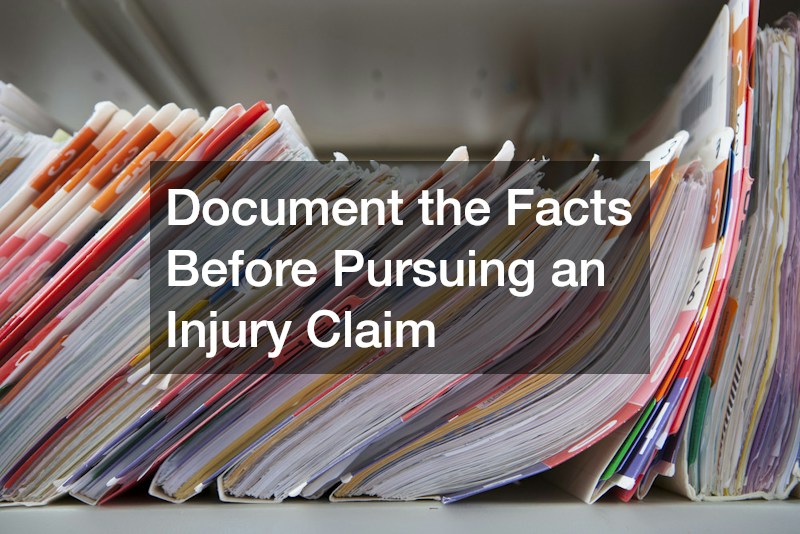
After an injury, emotions and uncertainty can make it difficult to determine what information matters. Before making significant decisions, take time to create a clear record of what happened, when it occurred, where it occurred, and what followed. A personal injury lawyer can use this information to better understand the circumstances and discuss potential legal options.
Documentation should be organized rather than scattered across different devices, emails, or folders. Even seemingly minor details may help provide context when the circumstances are reviewed later.
Useful information to gather can include:
- Incident reports or related records
- Medical documentation and bills
- Photographs of relevant conditions or injuries
- Insurance correspondence
- Names and contact information for witnesses
- A written timeline of important events
Avoid altering or discarding records that may relate to the incident. Keeping information organized also makes it easier to explain the situation consistently. Rather than trying to determine the outcome independently, focus first on preserving the facts and giving an attorney the information needed to evaluate the matter.
Address Workplace Injuries Through the Proper Process
A workplace injury can raise questions about reporting requirements, medical care, documentation, and available benefits. Employees should begin by understanding what steps apply to their particular situation instead of assuming that every workplace injury follows the same process. A workers compensation lawyer can explain the relevant legal considerations and help an injured employee understand the options available.
Keeping records throughout the process can also help prevent important information from becoming difficult to locate. Employees should maintain copies of communications and documents connected to the injury and treatment.
Consider organizing:
- Information about when and where the injury occurred
- Workplace incident documentation
- Medical records and treatment information
- Communications concerning the injury
- Records of time missed from work
- Documents received during the claim process
Clear documentation can make it easier to address questions that arise later. Employees should also pay attention to communications and requests connected to the matter rather than allowing paperwork to accumulate without review. Taking an organized approach can help an individual understand what has happened and what decisions may need to be made next.
Understand Immigration Options Before Making Major Changes
Immigration decisions can affect where a person lives, works, studies, or builds a future. Because different circumstances can lead to different legal options, individuals should gather accurate information about their situation before deciding how to proceed. Asylum lawyers can help explain the legal process relevant to an individual’s circumstances and identify documentation that may be important.
Preparation is especially important when a person has a complicated history or multiple factors affecting an immigration matter. Information should be presented accurately and consistently, and important records should be preserved.
Before seeking legal guidance, consider gathering:
- Immigration documents and prior filings
- Identification records
- Relevant correspondence
- Documents describing personal circumstances
- Records related to previous immigration proceedings
- Questions about available options
Avoid relying solely on informal advice or assumptions about what an immigration process requires. A careful review of the circumstances can help identify which questions need professional attention. Understanding the process before making major changes can also help individuals make decisions based on their actual situation rather than incomplete information.
Evaluate Potential Medical Negligence Claims Carefully

Concerns about medical treatment can be difficult to evaluate because an unexpected result does not automatically explain why an outcome occurred. Individuals who believe something went wrong should focus on gathering the available information and understanding what happened before reaching conclusions. A medical malpractice attorney can review the circumstances and discuss whether the available information raises potential legal issues.
Medical records can provide important context when reviewing a concern. Patients should preserve documents rather than relying on memory alone, particularly when treatment involved multiple appointments or providers.
Information to organize may include:
- Medical records and treatment notes
- Bills and related expenses
- Information about the treatment received
- Communications with healthcare providers
- A timeline of appointments and events
- Questions about the outcome or treatment
The goal of gathering these materials is to provide a clear picture of the circumstances. Individuals should avoid trying to characterize the situation legally before the available information has been reviewed. A structured review can help separate unanswered medical questions from legal questions and identify what additional information may be needed.
Organize Estate Decisions Before They Become Urgent
Estate matters can involve property, financial accounts, personal belongings, and instructions that need to be handled after a person’s death. Making arrangements in advance can give individuals an opportunity to organize important information and consider how their affairs should be managed. A probate attorney can provide guidance concerning the legal process associated with administering an estate.
Good organization can also make administrative responsibilities easier for the people who may eventually need to locate important documents. Records should be stored somewhere accessible to the appropriate individuals while still being protected from unnecessary access.
Consider organizing:
- Estate planning documents
- Information about property ownership
- Financial account records
- Insurance information
- Beneficiary information
- Contact information for relevant professionals
Reviewing these materials periodically can help identify outdated information or missing documents. Estate planning is not simply about preparing paperwork. It also involves creating a clearer picture of what exists, who may need to handle it, and what information could be necessary when administration eventually begins.
Choose the Right Local Resources for Injury Matters
An injury can involve several practical concerns at the same time, including medical treatment, documentation, insurance communications, and questions about potential legal action. Starting with organized information can make it easier to explain the situation and identify what type of guidance is appropriate. A local injury attorney can review the circumstances and discuss legal considerations that may apply to the matter.
Before an initial consultation, individuals can create a concise summary of the incident rather than trying to explain everything from memory. A chronological record can make important details easier to identify and discuss.
Prepare information such as:
- The date and location of the incident
- A description of what occurred
- Available medical documentation
- Insurance information and correspondence
- Names of relevant witnesses
- Expenses or other documented losses
It is also useful to identify specific questions before the discussion. This can help keep the conversation focused and make better use of the available information. Rather than approaching an injury matter with assumptions about what should happen, organized preparation allows the circumstances to be reviewed more carefully.
Review Property Needs Before Expanding Business Operations

A business property decision can affect operations long after a transaction is completed. Before leasing, purchasing, expanding, or changing commercial space, businesses should consider how the property fits their current needs and broader plans. Industrial real estate services may be relevant when a business is evaluating property connected to industrial operations.
The practical needs of the business should be identified before commitments are made. Consider how employees, equipment, inventory, customers, deliveries, and other operational requirements will interact with the proposed space.
Businesses can begin by reviewing:
- The intended use of the property
- Space and operational requirements
- Lease or purchase documents
- Property-related costs
- Access and logistical considerations
- Potential contractual obligations
Legal and financial review can be particularly important when a property decision represents a significant commitment. Businesses should understand the documents they are signing and identify questions before finalizing an agreement. Taking time to evaluate the property from several perspectives can help prevent important operational concerns from being overlooked.
Coordinate Property Decisions With Long-Term Business Goals
Real estate decisions should not be viewed solely as immediate transactions. A property may influence where a business operates, how it serves customers, how employees work, and how the organization plans for future needs. Working with a real estate group may provide a broader perspective when evaluating a significant property decision.
Businesses should first define what they need from the property. This can help separate essential requirements from preferences and make it easier to identify questions that need further review.
Before committing to a property, consider:
- Current operational requirements
- Expected changes in business activities
- Property costs and obligations
- Location-related considerations
- Lease or purchase terms
- Future space requirements
Communication among the professionals involved can also reduce confusion. Legal, financial, and property considerations may overlap, so information should be reviewed together rather than in isolation. A business that understands both its immediate needs and longer-term plans can approach major property decisions with more organized information.
Keep Financial Records Organized Before Making Commitments
Financial information can influence whether a proposed personal or business decision is practical. Before taking on a significant obligation, reviewing income, expenses, assets, liabilities, and available resources can provide a clearer picture of the financial position involved. An accounting firm can assist with financial organization and help address questions related to records and financial planning.
Businesses and individuals should avoid relying on scattered documents or rough estimates when making decisions with significant financial implications. Organized records make it easier to identify what is known and what still needs clarification.
Important information may include:
- Income and expense records
- Current financial obligations
- Business transaction records
- Tax-related documentation
- Asset information
- Cash-flow records
Financial organization can also help legal professionals understand the practical circumstances surrounding a matter. When legal and financial issues overlap, having accurate records available can make discussions more productive. Reviewing the numbers before committing to a major decision can also help identify questions that should be addressed before moving forward.
Review Personal Finances Before Making Long-Term Decisions

Personal financial decisions can affect the ability to handle future expenses, obligations, and unexpected circumstances. Before making a major commitment, individuals should review the resources available to them rather than focusing only on the immediate cost. A savings account may form part of that financial picture, but it should be considered alongside other assets, expenses, and obligations.
A basic review can help clarify what resources are available and what financial responsibilities already exist. This information can be especially useful when a personal decision also has legal or property implications.
Before making a significant financial commitment, review:
- Current savings and accessible funds
- Regular household expenses
- Outstanding financial obligations
- Expected upcoming costs
- Relevant account records
- Documents connected to the proposed decision
The purpose of this review is not to reduce every decision to a financial calculation. Instead, it gives individuals a clearer understanding of the resources and obligations involved. When legal and financial questions intersect, organized information can also help the appropriate professionals provide more relevant guidance.
Important decisions often involve more than one issue. A personal injury may involve documentation and financial concerns, while a business property decision may require attention to contracts, operations, and long-term plans. Recognizing these connections can help individuals and businesses identify questions that deserve attention before they commit to a course of action.
Preparation is one of the most practical ways to approach complex decisions. Gathering records, organizing financial information, reviewing relevant documents, and writing down specific questions can make professional consultations more productive. It can also help reveal gaps in information that should be addressed before a decision is finalized.
Legal guidance does not replace careful decision-making, but it can provide an informed framework for understanding the issues involved. When personal, legal, financial, and business considerations overlap, addressing each part of the situation can provide a more complete basis for moving forward. Taking that approach can help individuals and businesses handle significant decisions with greater clarity and organization.